Does Meditation Help With Self-Love? A Gentle Guide
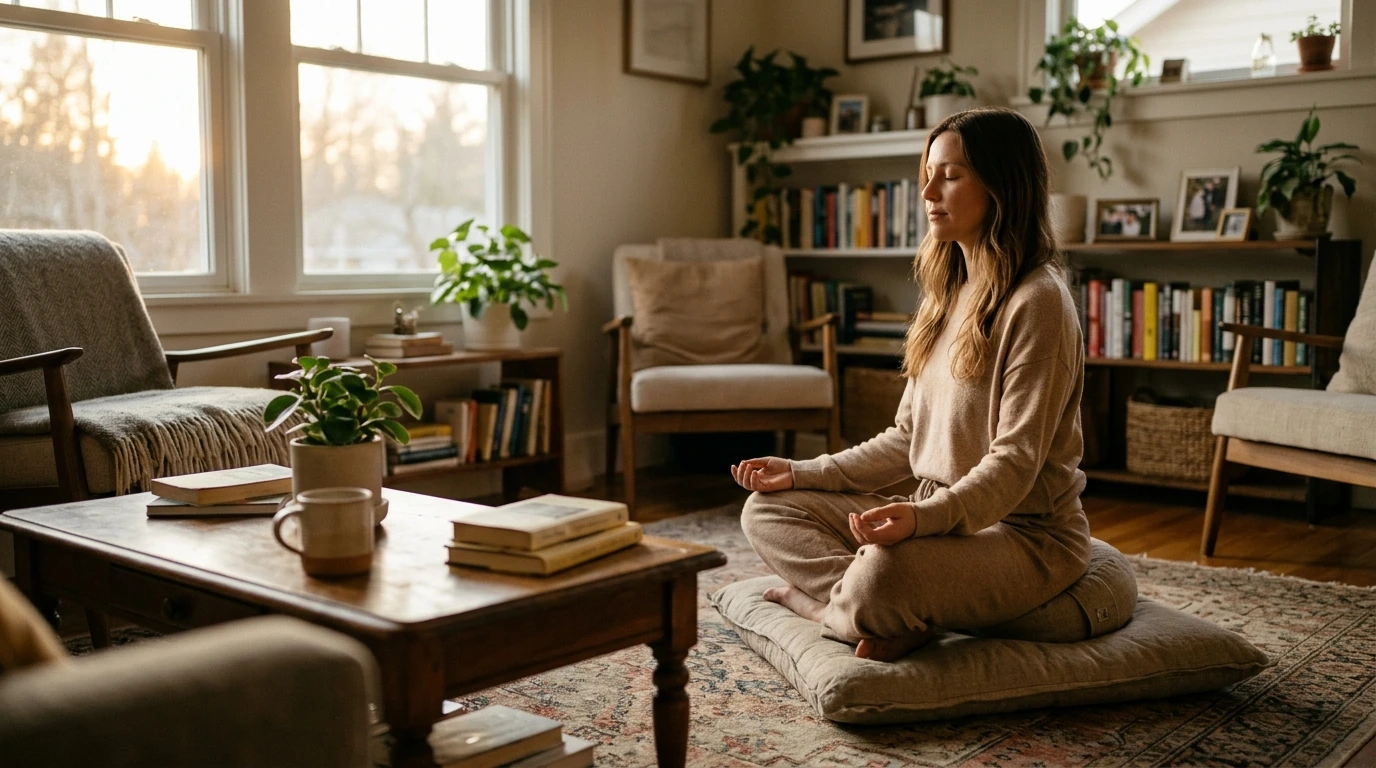
Does meditation help with self-love?
Yes. Meditation can support self-love by helping you notice your thoughts and feelings without automatically judging them. With practice, you may become more aware of harsh self-talk and find it easier to respond to yourself with patience. It is a skill you can develop, not a requirement to feel positive all the time.
How can meditation support a kinder relationship with yourself?
Meditation gives you a moment to pause when your inner critic gets loud. Instead of trying to erase an uncomfortable thought, you can recognize it as a thought and return your attention to your breath or another steady point of focus. That small pause can make room for a more compassionate response.
Some practices also invite you to offer yourself kind wishes, such as “May I be patient with myself.” The words do not have to feel perfectly natural. You can choose language that feels honest and supportive, even if that simply means saying, “This is a difficult moment.”
How do you start a self-love meditation practice?
Choose a quiet place where you can sit comfortably, and begin with five minutes. You do not need a special posture or an empty mind. Try this simple routine:
- Notice the sensation of breathing without forcing it to change.
- When your attention wanders, gently bring it back.
- Notice any self-critical thoughts without arguing with them.
- Offer yourself a kind phrase that feels believable.
Consistency matters more than the length of a session. A short practice you can return to regularly may be easier to maintain than an occasional long one.
Would a guided audio course be helpful?
A guided practice can be useful if you prefer a voice to lead you or want a structured way to explore self-compassion. Our guide to the self-love and worthiness meditation audio course offers a starting point for considering that approach. You can listen in a comfortable place and pause whenever you need to.
Meditation is one tool, not a substitute for support. If a practice brings up overwhelming feelings, stop or try a shorter session with your eyes open. A mental health professional can help you find an approach that feels manageable.
FAQ
What should you do when self-critical thoughts arise during meditation?
Notice the thought without judging yourself for having it, then gently return your attention to your breath. You can also offer yourself a brief, supportive phrase.












Leave a comment